Beekeeping Mentorship
- Hives for Heroes partner — veteran & first-responder mentorship pairing (hivesforheroes.org)
- Package bee or nuc installation support
- Frame-by-frame hive inspections with explanation
- Smoker lighting and handling instruction
- Guidance on timing for supering and splits
- Pest and disease identification (varroa, beetles, moths)
- Overwinter preparation and food-store assessment
- Written summary and recommendations after each visit
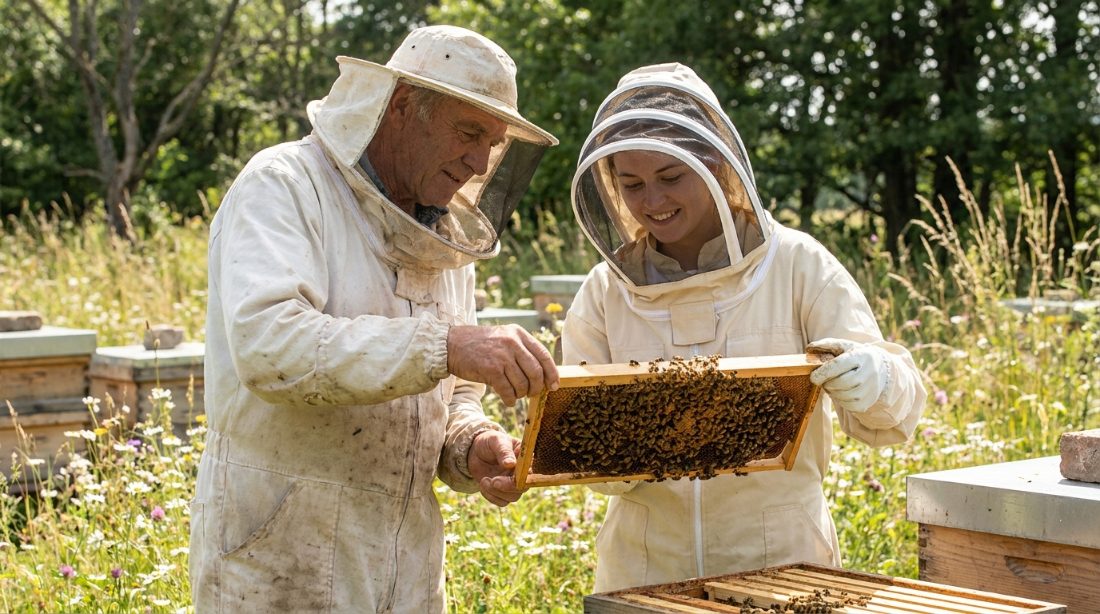
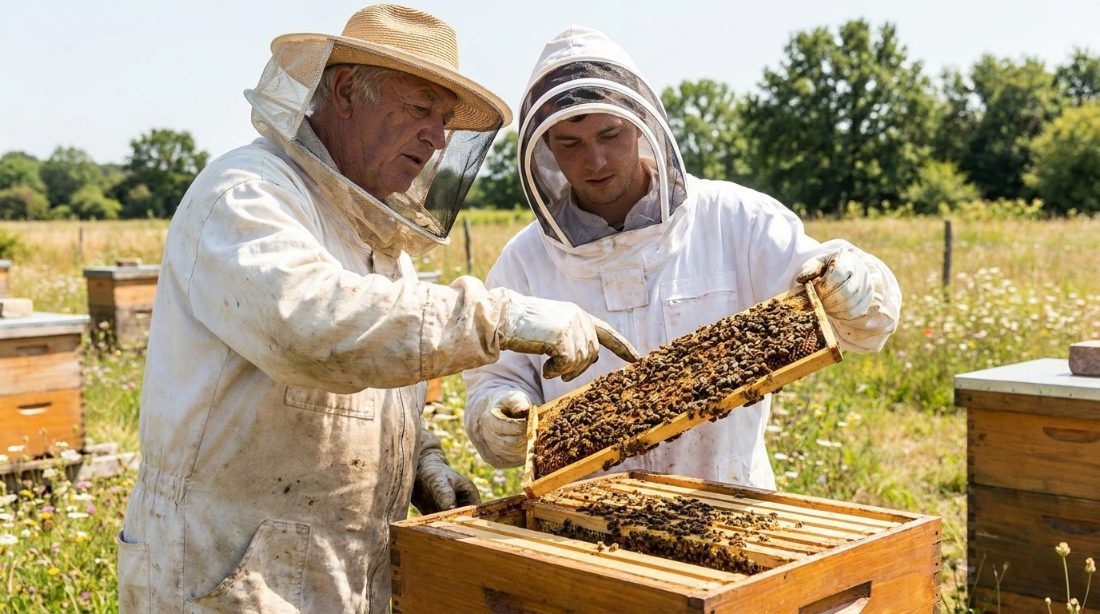
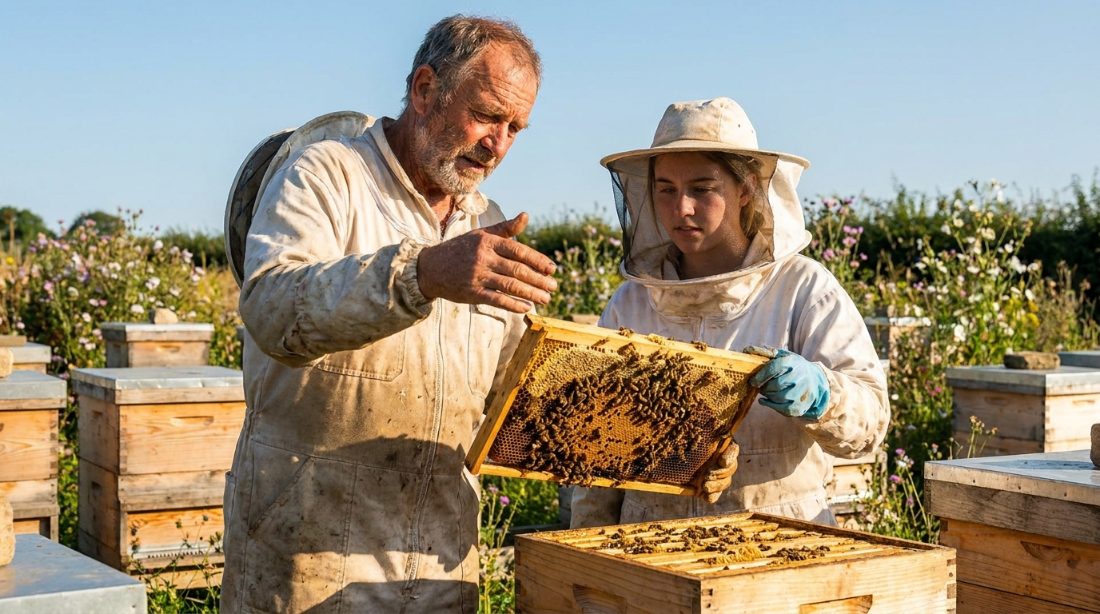
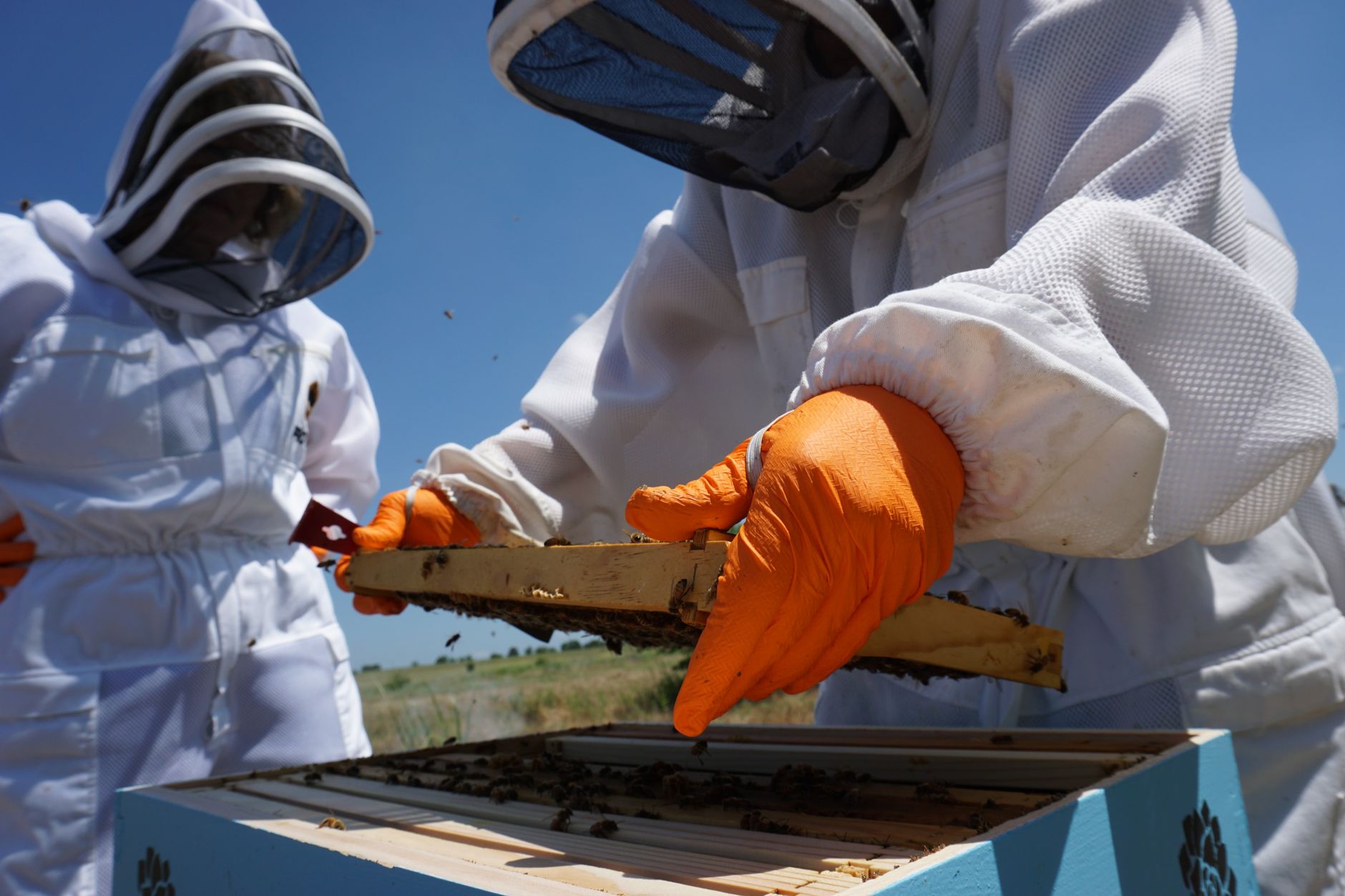
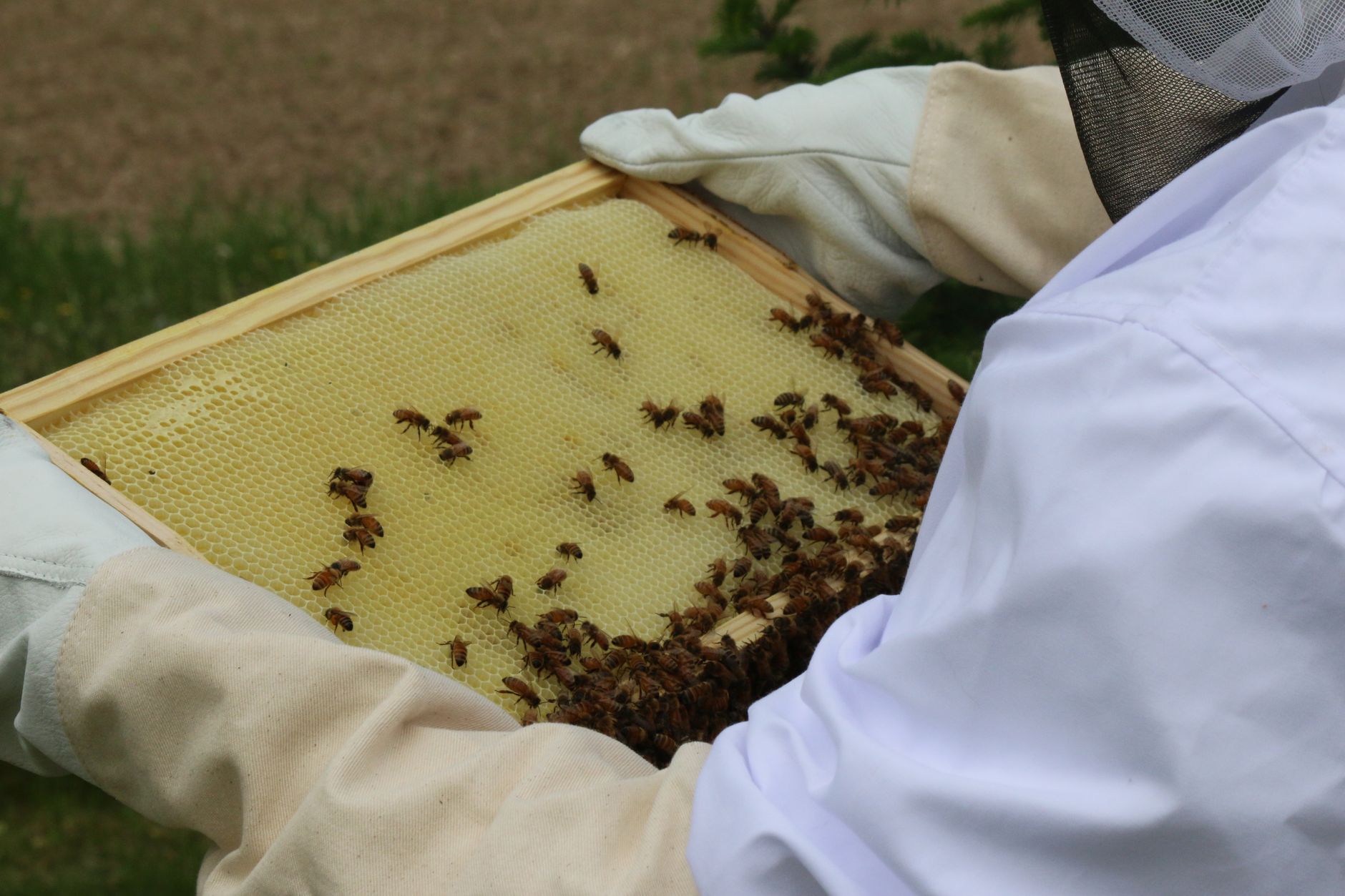
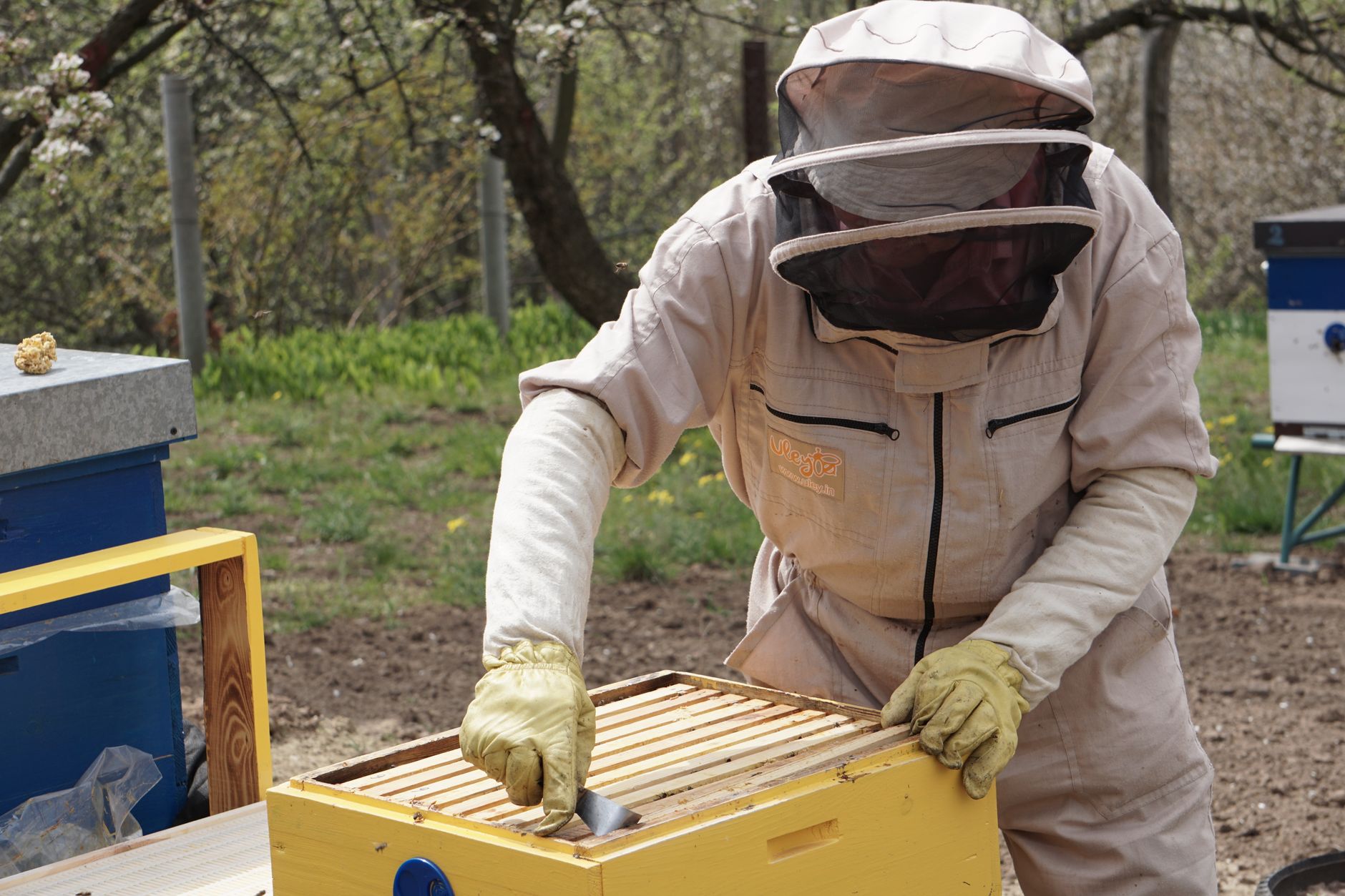
Starting beekeeping is straightforward in theory and humbling in practice. You can watch videos and read manuals, but the first time you open a hive with 40,000 bees in it, you want someone next to you who's done it before.
Virginia HoneyBee Extricators is a proud partner of Hives for Heroes (hivesforheroes.org) — the national nonprofit that connects military veterans and first responders with beekeeping, giving them mentorship, purpose, and a healthy transition after service. If you're a veteran or first responder looking to start keeping bees, reach out and we'll get you paired with hands-on mentorship through the program. It's a mission that fits us — the whole operation is built on the idea that bees are worth saving and people are worth helping.
Virginia HoneyBee Extricators works with new beekeepers across the region. Mentorship typically starts in early spring when package bees or nucs arrive. We'll help you install your bees, show you how to light and use a smoker, walk through a frame-by-frame inspection, and explain what you're looking at — capped brood vs. honey, pollen stores, queen cells, laying pattern.
“The first time you open a hive with 40,000 bees in it, you want someone next to you who's done it before.”
Over the season we'll visit your hive every 2-4 weeks depending on your comfort level. We'll help you decide when to add a second brood box, when to super for honey, how to recognize and manage swarming behavior, and what to do if you spot small hive beetles or varroa mites. By fall you'll know how to assess if your hive has enough stores to overwinter and whether you need to feed.
Mentorship is billed per visit or as a seasonal package. We're not running a class — this is one-on-one or small-group work at your hive with your bees. Most people need close support through the first season, then occasional check-ins in year two.
We're looking at brood pattern to assess queen health — is she laying consistently, is the pattern solid or scattered, are there multiple eggs per cell (a sign of laying workers). We check for pests: varroa mites, small hive beetles, wax moths. We assess food stores — do they have enough capped honey and pollen to support the current population and get through a dearth or into winter. We look at the physical condition of the comb and equipment.
No state license is required to keep bees in Virginia, but check your county and HOA rules. Some counties have setback requirements or hive limits. Northern Virginia counties generally allow backyard beekeeping with reasonable setbacks from property lines. If you're in a municipality or HOA, confirm before you set up hives.
Tim runs the mentorship visits himself. He's been keeping bees long enough to know what a healthy hive looks like and what the early signs of trouble are. You're not getting a script — you're getting someone who's worked through the same problems you're about to face.
Related services we handle on the same job.
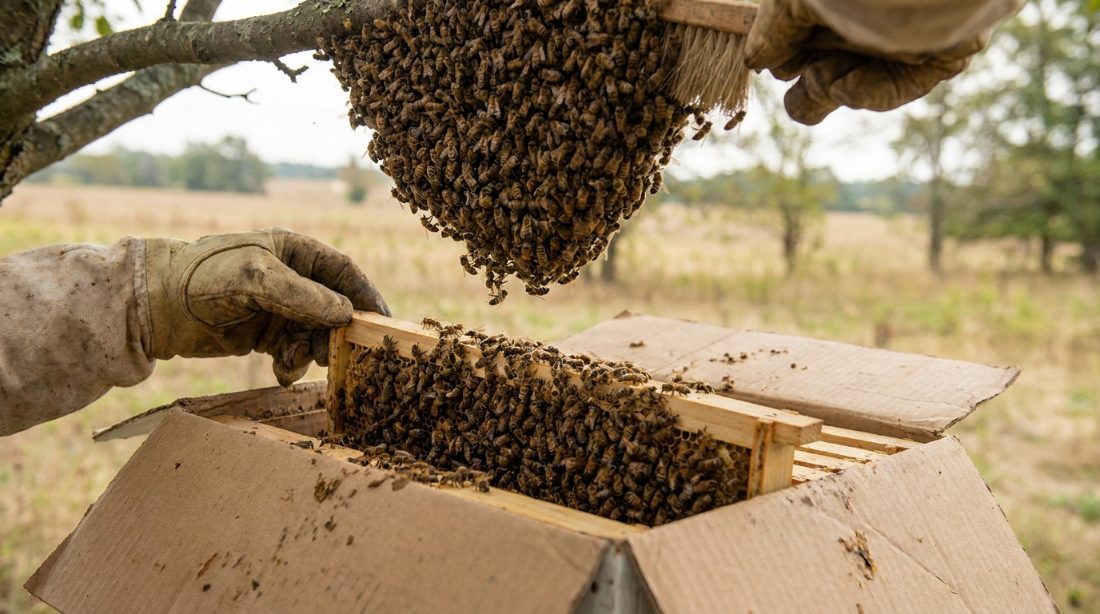
Honey Bee Swarm Removal
Same-day swarm collection across the Valley — no extermination, live relocation only.
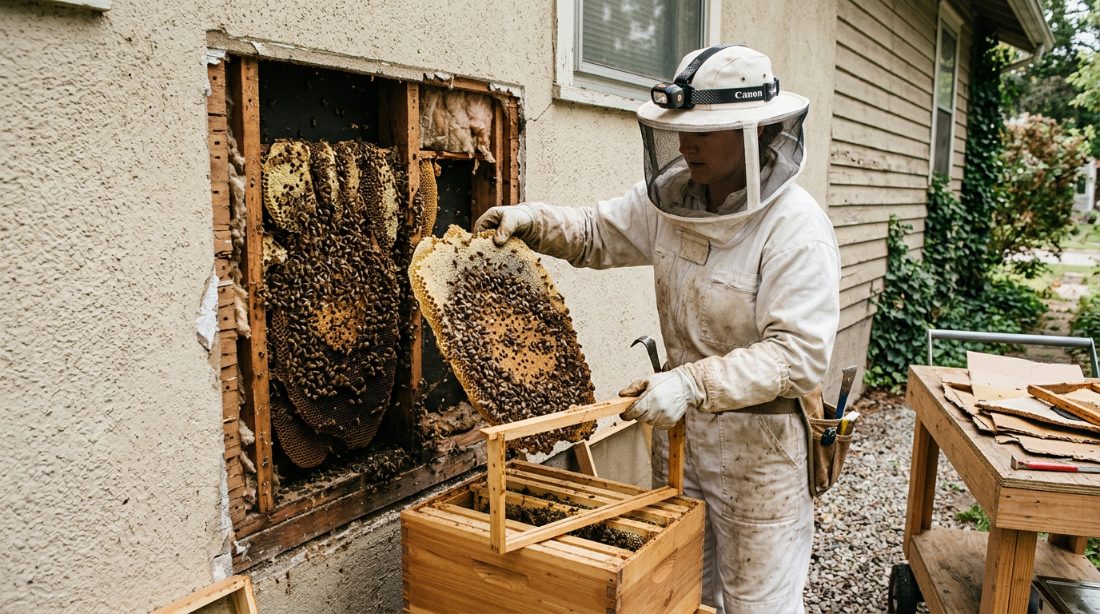
Established Hive Relocation
Cut-outs evaluated case by case — some we handle, others need a contractor on-site.
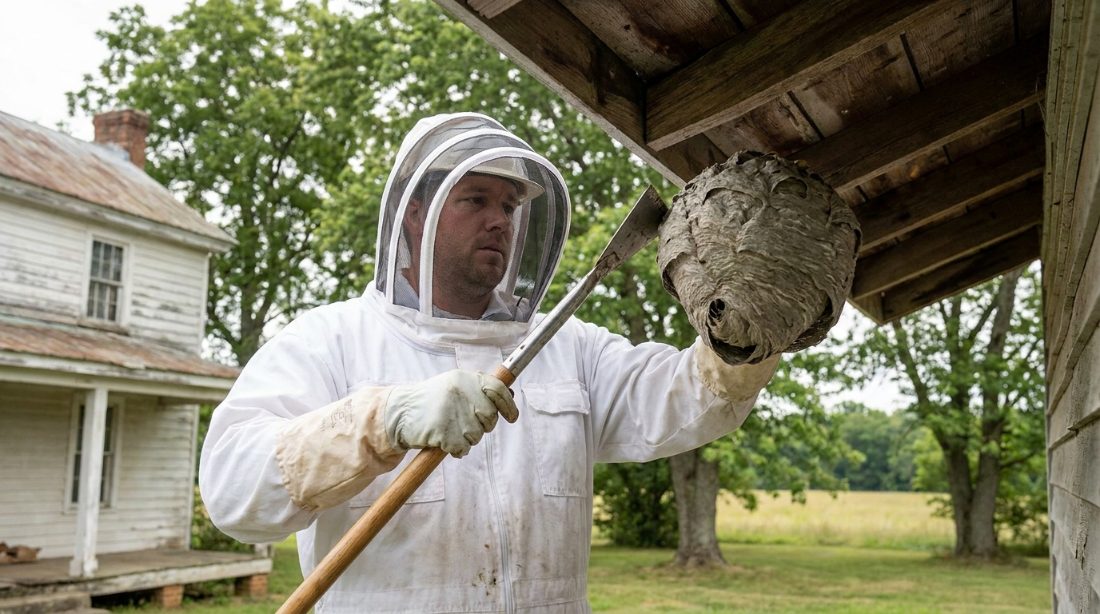
Nuisance Bee Removal
Honeybees we save and relocate. Wasps, hornets, and yellow jackets are a different animal — we remove the nest and treat the area so they don't come back. Eaves, soffits, sheds, ground nests, and wall voids.